
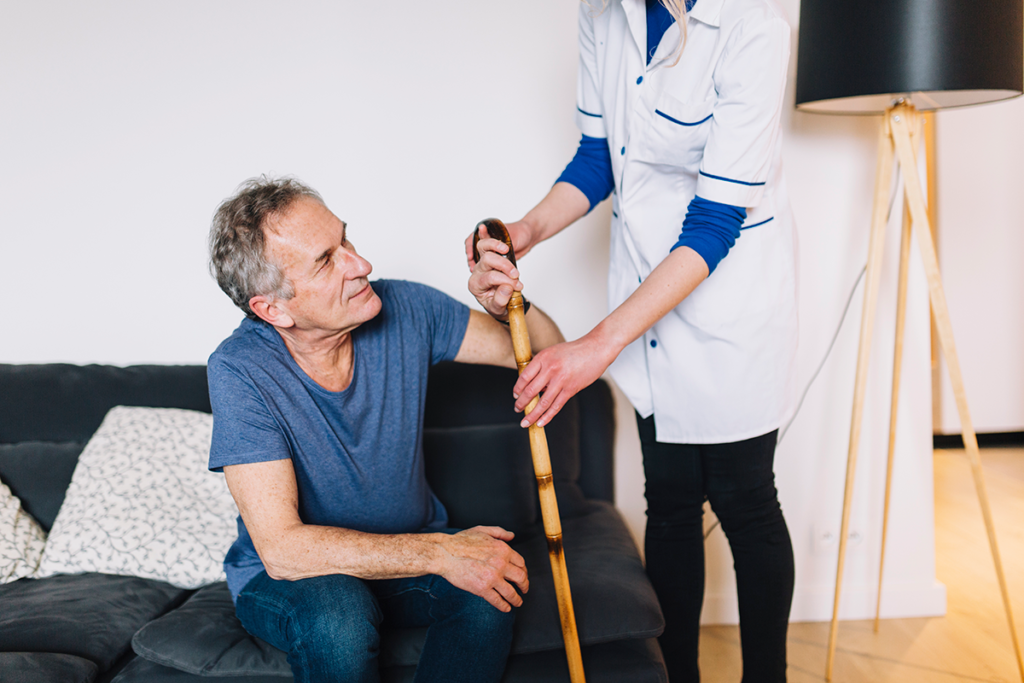
Caring for the Elderly in Their Own Home – The Benefits of Being a Professional Carer
As the population ages, the demand for professional home care services for the elderly continues to rise. Many seniors prefer to remain in the comfort and familiarity of their own homes rather than transitioning to an assisted living facility or nursing home. Professional carers play a vital role in making this preference a reality while providing numerous benefits to both the elderly and their families.
Personalized Care: Every senior has unique needs and requirements. Professional carers offer personalized care plans tailored to the individual’s specific health conditions, preferences, and daily routines. This level of customization ensures that the elderly receive the best possible care and attention, promoting their overall well-being.
Independence and Dignity: Remaining in their own home allows seniors to maintain their independence and dignity. Professional carers support their autonomy, assisting only when necessary and encouraging them to engage in daily activities that bring joy and fulfillment.
Companionship: Loneliness and social isolation are common challenges for many elderly individuals. A professional carer not only attends to their physical needs but also serves as a friendly companion. Regular social interactions and meaningful conversations contribute to mental and emotional well-being, reducing feelings of isolation.
Safety and Peace of Mind: Home environments can present certain risks to seniors, especially those with mobility issues or chronic conditions. A professional carer ensures that the home is safe and free from potential hazards, preventing accidents and providing peace of mind to both the elderly and their families.
Medication Management: Seniors often require assistance with managing their medications, which can be a complex task. Professional carers are trained to administer medications on schedule, reducing the risk of medication errors and ensuring the elderly adhere to their prescribed treatment plans.
Nutritious Meals: Proper nutrition is crucial for seniors’ health, but many may struggle with meal preparation or forget to eat regularly. A professional carer can plan and prepare nutritious meals that meet the elderly individual’s dietary needs, promoting better health outcomes.
Family Involvement: Professional carers also offer support to the families of the elderly. They can communicate with family members, providing updates on the senior’s health and well-being. This open communication fosters trust and reassurance for the family, knowing their loved one is in capable hands.
Cost-Effectiveness: Home care can be a more cost-effective option compared to assisted living facilities or nursing homes. It allows the elderly to avoid the higher costs associated with institutional care while receiving personalized attention in the comfort of their home.
Respite for Family Caregivers: Many families take on the responsibility of caring for their elderly loved ones. However, this can be physically and emotionally demanding. Professional carers offer respite care, allowing family caregivers to take a break, tend to their own needs, and prevent burnout.
In conclusion, being a professional carer for the elderly brings immense benefits to both the seniors and their families. It allows seniors to age with dignity, independence, and comfort in the place they call home while providing families with the peace of mind that their loved ones are receiving the best possible care. The role of a professional carer is not just a job; it is a compassionate vocation that enriches the lives of those they serve.