
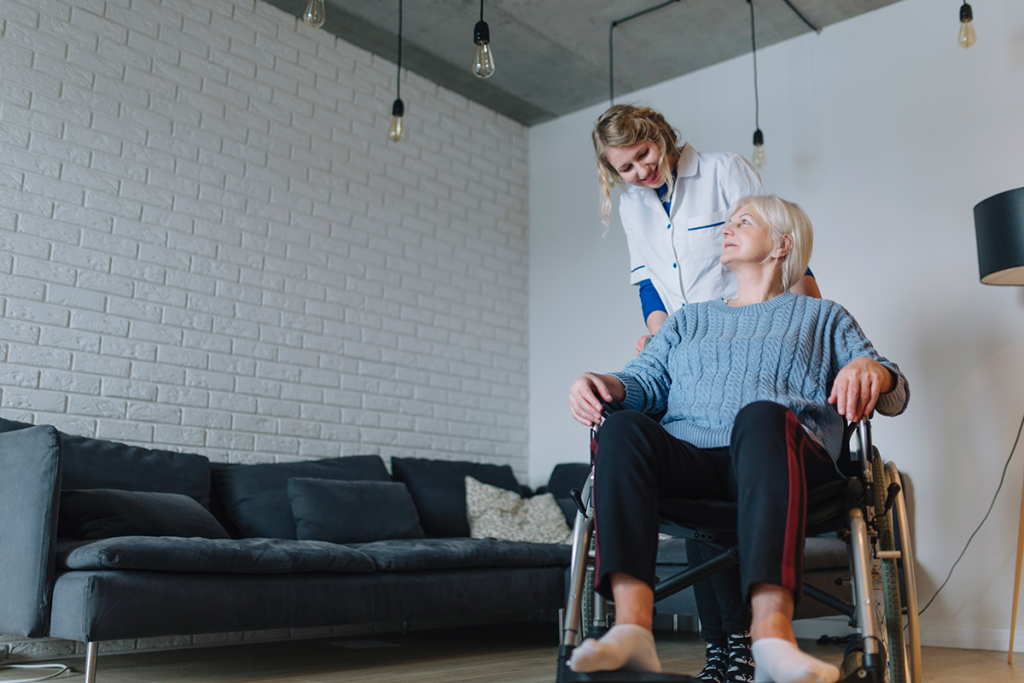
A stroke can be a life-altering event, leaving survivors facing various challenges as they work towards recovery and adaptation to their new circumstances. For stroke survivors, regaining independence and living a fulfilling life is often a priority. In this journey of recovery, the role of a live-in carer becomes invaluable, providing crucial support and assistance. Let’s explore the essential role that live-in carers play in supporting stroke survivors.
Personalized Care: Each stroke survivor’s experience is unique, with varying degrees of physical and cognitive impairments. A live-in carer offers personalized care tailored to the individual’s specific needs, abilities, and goals. They work closely with healthcare professionals and therapists to implement specialized care plans that facilitate recovery.
Assistance with Daily Living Activities: Stroke survivors may face challenges with everyday tasks such as bathing, dressing, eating, and mobility. A live-in carer provides hands-on assistance with these activities, promoting independence while ensuring safety and comfort.
Medication Management: Many stroke survivors require multiple medications to manage their conditions and prevent further complications. Live-in carers help with medication reminders and administration, ensuring that the survivor follows the prescribed treatment plan accurately.
Mobility Support: Regaining mobility is a significant aspect of stroke recovery. Live-in carers assist survivors with physical therapy exercises, mobility aids, and transfers to improve their strength and balance. They also create a safe environment, reducing the risk of falls.
Emotional Support: The emotional impact of a stroke can be profound, leading to feelings of frustration, sadness, and anxiety. Live-in carers offer companionship and emotional support, becoming a source of comfort and encouragement during difficult times.
Cognitive Rehabilitation: Some stroke survivors may experience cognitive impairments, affecting memory, attention, and problem-solving abilities. Live-in carers engage in cognitive rehabilitation exercises to stimulate the brain and enhance cognitive function.
Nutritious Meal Preparation: A balanced diet is crucial for stroke recovery and overall health. Live-in carers plan and prepare nutritious meals that meet the survivor’s dietary requirements, ensuring they receive the essential nutrients for healing and well-being.
Communication with Healthcare Professionals: Live-in carers act as advocates for the stroke survivor, communicating with doctors, therapists, and other healthcare professionals. They attend medical appointments, provide updates on the survivor’s progress, and ensure continuity of care.
Household Management: Managing household tasks can be overwhelming for stroke survivors. Live-in carers take care of household chores, such as cleaning, laundry, and grocery shopping, relieving the survivor of additional stress.
Respite for Family Caregivers: Stroke recovery can be a long and demanding process, and family caregivers may need time to rest and recharge. Having a live-in carer provides respite care, allowing family members to take breaks and take care of their own well-being.
In conclusion, the role of a live-in carer in supporting stroke survivors cannot be overstated. Their compassionate and dedicated care helps stroke survivors navigate the challenges of recovery and regain independence in their daily lives. By providing physical, emotional, and practical support, live-in carers become essential partners in the journey to reclaiming a fulfilling life after a stroke.